
A blank space copy and paste character is a real Unicode character — like the zero-width space (U+200B) — that looks invisible but is technically valid text. You use it to bypass apps like Discord, WhatsApp, and Instagram that reject plain spacebar input, or to fix spacing issues in code and design. Below, I'll walk you through exactly how it works, which character to use where, and how to copy/paste one in under 10 seconds.
I'll be honest with you — the first time I needed this trick, I was stuck staring at a WhatsApp message box, mashing the spacebar like it owed me money. Nothing worked. Turns out, you actually can't send a message made of plain spaces. That's when I fell down the invisible character rabbit hole, and I haven't looked back since.
What Is a Blank Space Copy and Paste Character, Really?
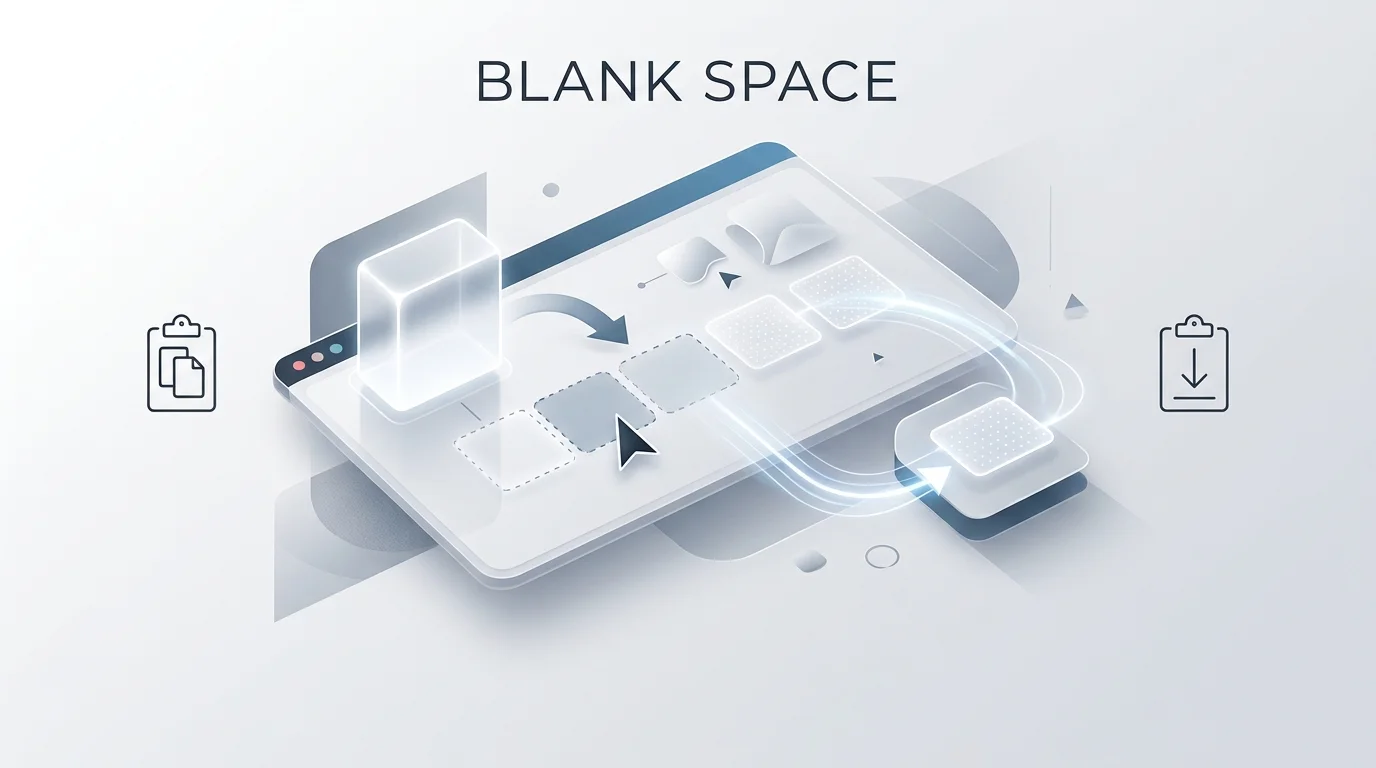
Here's the thing you need to understand first: a blank space isn't just... nothing. It's a real Unicode character — it just doesn't render visibly on your screen. Think of it like a ghost that still takes up a seat at the table.
These aren't your average spacebar taps. When you use a blank text generator, you're copying an actual coded character that apps recognize as "valid text," even though your eyes see nothing.
And that distinction matters, because it's the whole reason this trick works.
Why Regular Spaces Get Rejected
You've probably noticed this already — apps like Instagram, Discord, and WhatsApp reject messages or usernames made only of spacebar presses. It's not a glitch; it's intentional input validation.
Platforms typically strip or flag plain spaces as "empty" input. An invisible character, on the other hand, slides right past that validation because, technically, it's not empty at all — it's a distinct character with its own code point. This same trick is why people use blank names on video call platforms too — if you've ever wondered how to change your name on Zoom, the same invisible-character logic applies when you want a blank or minimal display name.
The Real Unicode Behind the Magic: Meet U+200B
Let's geek out for a second, because this part is genuinely interesting.
The most famous blank character in the game is the zero-width space, abbreviated ZWSP, officially known as U+200B. It was added to the Unicode standard in version 1.1 in 1993, tucked inside the General Punctuation block.
Here's a fun history nugget: this character used to carry a true "White_Space" classification back in Unicode 3.0. Then in Unicode 3.1, it quietly lost that classification — a change even Unicode's own mailing list debated at the time. This isn't some sketchy internet hack — it's a documented, standardized piece of digital typography with a real paper trail.
How ZWSP Actually Behaves
It has zero visual width, so it never disrupts your layout.
It offers a line break opportunity, per Codepoints.net — huge for languages like Thai or Khmer that don't use spaces between words.
It's treated as "Boundary Neutral" in bidirectional text, so it works regardless of text direction.
Pretty clever for something you can't see.
Comparing the Main Blank Characters (Quick Reference Table)
Not every blank character behaves the same way, and this is where most people get tripped up. Here's a side-by-side comparison so you can pick the right one for the right job.
Character | Unicode Code | Best Platform Use | Notes |
|---|---|---|---|
Zero-Width Space | U+200B | Discord, general web/text fields | Zero visual width; allows line breaks |
Non-Breaking Space | U+00A0 | HTML/CSS layouts | Prevents unwanted line breaks |
Hangul Filler | U+3164 | Discord (when ZWSP is blocked) | Often bypasses stricter filters |
Braille Blank | U+2800 | X (Twitter) | Frequently accepted where ZWSP fails |
Rule of thumb: if one character gets rejected on a platform, try the next one down this table before assuming blank text isn't possible at all.
Step-by-Step: How to Copy and Paste Blank Space
Here's exactly how to do it, step by step.
Step 1: Pick a reliable generator. Use a blank space generator that supports multiple character types (not just one).
Step 2: Click the copy button. One click, and the invisible character sits on your clipboard.
Step 3: Paste it wherever you need. Drop it into your Discord nickname, Instagram bio, a WhatsApp status, or your HTML if you're a developer controlling spacing.
Step 4: Test it before you rely on it. Paste it into a testing box first. If it disappears against a light background, it worked.
Step 5: Generate more if needed. Type the number of characters you want and generate them as a batch.
Five steps, no downloads, no sign-ups.
Real-World Ways You Can Use This Today
Blank Discord names — create a nameless profile that stands out.
Invisible Instagram bios — clean line breaks without visible clutter.
Blank WhatsApp messages — send a message that looks empty.
Developer spacing fixes — control HTML spacing without touching real space characters.
QA/form testing — check how your forms handle unexpected invisible input.
If you spend a lot of time texting or chatting online, you've probably also run into other odd bits of chat shorthand — for example, a lot of people search for what ONB means in text the same way they search for invisible characters: quick, practical answers for everyday messaging quirks.
Frequently Asked Questions
Is blank space copy and paste safe to use?
Yes. These are standard, documented Unicode characters — not malware or scripts. They're as safe as typing any other letter.
Does it still work on Instagram and Discord in 2026?
Generally yes, though platforms occasionally patch filters against specific characters. If one character (like ZWSP) gets blocked, switch to an alternative from the comparison table above, such as the Hangul Filler.
What's the difference between a zero-width space and a non-breaking space?
A zero-width space (U+200B) is fully invisible and allows line breaks at its position. A non-breaking space (U+00A0) has visible width equal to a regular space but prevents a line break — they solve different problems.
Can invisible characters break my website or code?
They can, actually — stray zero-width characters pasted into code or CMS fields can cause subtle bugs. If you're pasting into code, it's worth checking with a hidden-character detector afterward.
Why can't I just press the spacebar multiple times?
Most apps trim or reject input that's purely whitespace, since it's treated as functionally empty. An invisible Unicode character isn't classified as "empty," so it passes validation.
Final Thoughts: Small Character, Big Impact
At the end of the day, a blank space copy and paste character might look like nothing — but it's doing real work behind the scenes. Whether you're customizing a profile, fixing a layout bug, or sending a genuinely blank-looking message, this tiny piece of Unicode has your back.
Grab the right character from the table above, test it, and start pasting — you'll wonder how you managed without it.
Read Also: What Is Archive of Our Own (AO3)? 2026 Guide